The word “metaverse” gets thrown around a lot, but ask ten people what it actually means and you’ll get ten different answers. Is it virtual reality? A video game? The next version of the internet? In truth, it’s a bit of all of these. This guide breaks down what the metaverse really is, how it works, and why so many of the world’s biggest companies are betting on it.
What is the metaverse?
The metaverse is best understood as a persistent, shared, 3D digital space where people can interact with each other and with digital objects in real time. Instead of looking at the internet on a flat screen, the idea is that you step inside it — usually as an avatar, a digital version of yourself.
Three ideas make the metaverse different from an ordinary website or game:
- Persistence — the world keeps existing and changing even when you log off, just like the real world.
- Presence — using VR headsets or 3D environments, you feel like you’re actually there with other people, rather than just messaging them.
- Interoperability — the long-term vision is that your identity, avatar, and digital items can move between different virtual spaces, instead of being locked into one app.
That last point — interoperability — is still more a goal than a reality today, but it’s the piece that would turn a collection of separate virtual worlds into a true, connected metaverse.
How does the metaverse work?
The metaverse isn’t a single product built by one company. It’s a stack of technologies working together:
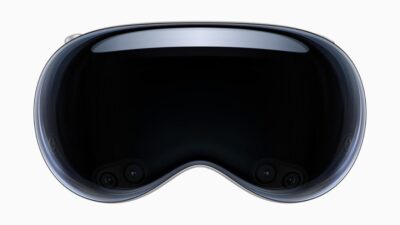
- Virtual and augmented reality (VR/AR): Headsets create the sense of being inside a 3D world, while AR layers digital content onto the real one.
- 3D engines: Platforms like Unreal Engine and Unity render the detailed, interactive environments you move through.
- High-speed connectivity: Fast, low-latency internet keeps large numbers of users in sync in real time.
- Blockchain and digital ownership: Some metaverse platforms use blockchain to let people genuinely own virtual land, items, and identities.
- Artificial intelligence: AI powers realistic characters, moderates spaces, and helps generate 3D content quickly.
What can you actually do in the metaverse?
Gaming and socialising were the first big use cases, but the possibilities stretch much further:
- Socialise and attend events: Concerts, meetups, and hangouts inside virtual worlds, with friends represented as avatars.
- Work and collaborate: Virtual offices and meeting rooms where remote teams share a sense of being in the same space.
- Learn and train: Medical students practising procedures, engineers rehearsing repairs, or history classes “visiting” ancient cities — all safely simulated.
- Shop and try before you buy: Virtual stores where you can preview furniture in a 3D room or “wear” clothes on your avatar.
- Build and earn: Creators design games, spaces, and items, and in some platforms sell them for real income.
Which companies are building the metaverse?
The space is crowded and competitive. Meta (formerly Facebook) made the biggest public bet, renaming the entire company and investing heavily in VR through its Quest headsets and Horizon Worlds platform. Microsoft is weaving metaverse ideas into work tools and simulation. Gaming platforms like Roblox, Fortnite, and Minecraft already host hundreds of millions of users in persistent shared worlds — arguably the closest thing to a working metaverse today. Meanwhile, blockchain-based worlds such as Decentraland and The Sandbox focus on user-owned virtual land and economies.
The challenges standing in the way
For all the hype, the metaverse still faces real hurdles. Hardware remains bulky and expensive for many users. There’s no agreed standard that lets worlds connect, so interoperability is limited. And big questions around privacy, safety, moderation, and digital identity are far from solved. How do you keep virtual spaces safe? Who owns your data when you’re immersed all day? These answers will shape whether the metaverse becomes mainstream or stays niche.
The bottom line
The metaverse is less a finished destination and more a direction of travel — a gradual shift from viewing the internet to inhabiting it. Some of its promises are still years away, and plenty of the early hype has cooled. But the underlying trend, of richer, more immersive, more social digital spaces, is very real. Whether you’re a gamer, a creator, a business owner, or just curious, it’s worth understanding now, because the way we use the internet is slowly becoming more three-dimensional.